
5 Fall Driving Dangers (and How to Avoid Them)
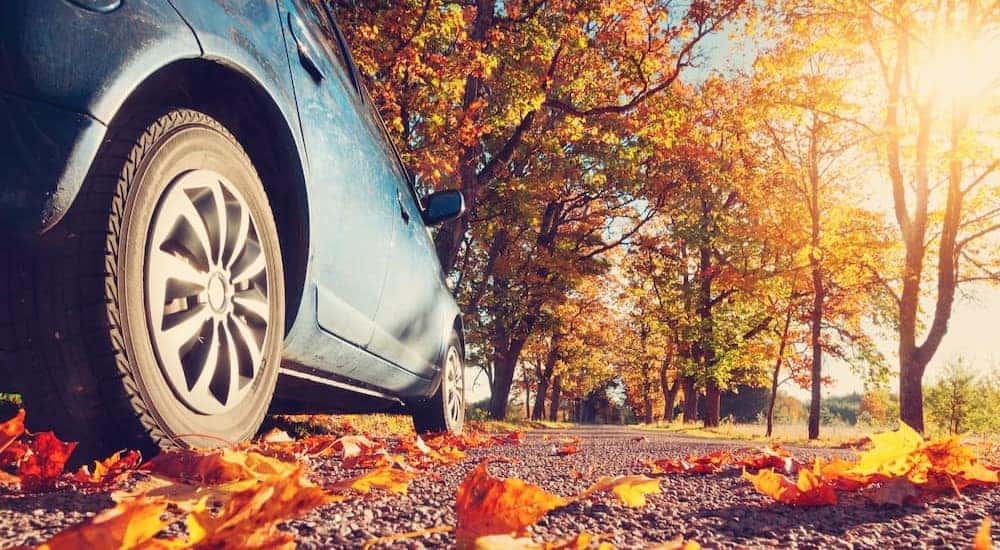 While fall is a beautiful time of year, it also brings its own driving challenges. From unpredictable driving conditions to changing weather, be on the lookout for these fall driving dangers so you can avoid them.
1. Leaves
While leaves on the trees are beautiful when they change color, they can also create dangers when they fall on the roads. Leaves can obscure lane lines and other road markings, potholes, and other road hazards. When leaves on the road become wet they get very slippery, so you’ll want to avoid hard braking or accelerating on wet leaves. Also keep an eye out for leaf peepers. If you see a car with out-of-state plates, give them a little extra space. They may get so engrossed with watching the leaves that they end up making sudden stops or turns.
2. Sun Glare
Fall brings the end of Daylight Saving Time, and while we all enjoy that extra hour of sleep, the sun glare from different morning and evening light can interfere with your vision. In the morning, sun glare can cause temporary blindness and make it hard to see other cars, pedestrians, and traffic lights. On the way home from work, the setting sun can bounce off your rearview mirror and directly into your eyes. Make sure you always have a pair of sunglasses in your vehicle to ward off sun glare.
3. School Traffic
Fall also means that it’s time for children to go back to school, so there will be more buses and traffic on the roads. In the mornings and afternoons, make sure to keep an eye out for children as they walk to and from the bus stops. Also, be sure to leave the house early if you’re going to be following a school bus or slowing down through school zones.
4. Frost
Sizable temperature drops at night can lead to frosty streets in the morning. Frost is most common on shady spots on the road, overpasses, and bridges. Use extra caution when you’re driving down tree-lined roads or coming around blind turns. Also remember that bridges freeze before the road, so always accelerate, brake, and steer smoothly when you’re transitioning from pavement to a bridge.
5. Fog
Just as cold temperatures can cause frost, they can also create fog in low places and near water, hills, and trees. Fog is difficult to drive through because it changes your perception of distance and limits your visibility. The most important thing you can do when you encounter fog is slow down.
If you run into fog during the day, turn on your headlights to make it easier for other drivers to see you. If you encounter fog at night, be sure to use your low beams. High beams can actually reflect the light back and make it even harder to see.
As summer comes to an end, you may begin to encounter these fall driving dangers. However, by keeping the following tips in mind, you can safely handle the changing roads and conditions.
0 comment(s) so far on 5 Fall Driving Dangers (and How to Avoid Them)